


As a Database Security Analyst, your role is to safeguard sensitive information by monitoring and securing databases through access controls, encryption, and other security measures. Database security is critical in cybersecurity, protecting organizations from data breaches, cyber-attacks, and hackers.
The job requires knowledge of database security policies, procedures, and technologies, along with the ability to identify and mitigate risks. The ideal candidate should have experience in database administration, security implementation, and monitoring, as well as knowledge of industry compliance regulations.
Strong analytical and problem-solving skills, attention to detail, and excellent communication are essential for success in this role. With the increasing demand for data protection and privacy, skilled database security analysts are in high demand in today’s market.
Who Is A Database Security Analyst?
A Database Security Analyst is a professional responsible for safeguarding an organization’s data against unauthorized access, theft, and other threats. They review and monitor security procedures, identify vulnerabilities, and develop solutions to mitigate risks to the organization’s data integrity.
A Database Security Analyst is a professional responsible for ensuring the security and integrity of an organization’s databases. This includes monitoring, analyzing, and preventing unauthorized access or use of sensitive information. With the rise of cyber threats and data breaches, the role of a Database Security Analyst has become increasingly important for businesses in all industries. In this post, we’ll dive into the job description, responsibilities, and skills required to become a successful Database Security Analyst.Job Description
The job of a Database Security Analyst is to protect an organization’s confidential data and ensure its availability, integrity, and confidentiality. They work closely with database administrators and developers to implement and monitor security measures, as well as to investigate and resolve security incidents. A Database Security Analyst must have a strong understanding of database management systems, and must be proficient in programming languages such as SQL and Python. Additionally, they must stay up-to-date with the latest security threats and vulnerabilities, and be able to implement security best practices to mitigate risks.Responsibilities
The primary responsibilities of a Database Security Analyst include:- Developing and implementing security policies and procedures for databases
- Monitoring and evaluating database security controls to ensure compliance with industry and regulatory requirements
- Performing vulnerability assessments and identifying potential security weaknesses
- Creating and maintaining incident response plans
- Investigating and resolving security incidents, such as data breaches or unauthorized access attempts
- Providing training and education to employees on database security best practices
Why Is A Database Security Analyst Important?
Database security analyst is one of the most sought after job roles in the field of cybersecurity. The role is responsible for ensuring the integrity, confidentiality, and availability of critical data stored in databases. The job of a database security analyst is important and detrimental to a company’s security posture. In this article, we’ll discuss why database security analysts are important and the role they play in protecting data from breaches and complying with regulations.
Data Breaches Are Common
Data breaches are prevalent and have become a daily occurrence in today’s world. Companies of all sizes and sectors are at risk of a data breach, and the consequences can be catastrophic. The cost of a data breach can result in reputational damage, legal liabilities, and financial losses. A database security analyst plays a crucial role in preventing data breaches from happening by identifying, mitigating, and preventing vulnerabilities in a company’s databases. They also ensure that databases are configured correctly, and data is stored in compliance with best practices, so the risk of a data breach is minimized.
Compliance With Regulations
Compliance with regulations is one of the critical responsibilities of a database security analyst. Depending on the nature of the data, companies may be required to comply with various data protection regulations, such as HIPAA, GDPR, and CCPA. Failure to comply with these regulations can result in significant penalties and legal action against the company. The database security analyst ensures that the data is stored in compliance with these regulations and helps the company to develop policies and procedures to maintain compliance.
In conclusion, a database security analyst plays an essential role in ensuring that critical data stored in databases is protected from unauthorized access, data breaches, and compliance with regulations. By employing a qualified database security analyst, companies can ensure that their data is protected, and the risk of data breaches is minimized, thereby protecting the company from severe financial and reputational damage.
What Are The Key Skills Of A Database Security Analyst?
A Database Security Analyst should have a strong understanding of different database management systems, security protocols, and tools. They must also have skills in risk assessment, vulnerability management, network security, and encryption technologies.
As technology advances and more data is generated by individuals and businesses alike, ensuring the safety and security of databases has become increasingly important. This need for data protection led to the emergence of a new role in the IT industry – the Database Security Analyst. This professional is responsible for ensuring that sensitive data is properly protected from unauthorized access, theft, or damage. In order to become a successful Database Security Analyst, you need to have a specific set of skills that are essential for the role. Here are the key skills of a Database Security Analyst that you should aim to acquire:Technical Proficiency
One of the most critical skills that a Database Security Analyst must possess is technical proficiency. They need to have an in-depth knowledge of database systems and the technologies that support them. In addition to understanding how databases work, they need to be proficient in programming languages, such as SQL, to identify weaknesses or vulnerabilities in the system. This technical proficiency must also extend to network security protocols, firewalls, and encryption techniques. By mastering the technical aspects of the job, Database Security Analysts can ensure that they are fully equipped to handle any database security challenge that comes their way.Risk Assessment
Another critical skill that a Database Security Analyst must have is the ability to assess risks and identify potential vulnerabilities in the system. This requires analyzing the database environment thoroughly and understanding its architecture and components. Once potential risks are identified, the analyst can then work toward developing strategies to minimize or eliminate those risks. This proactive approach to security risk assessment ensures that vulnerabilities are identified before they can be exploited, reducing the risk of data breaches and theft.Security Incident Response
It is also essential for a successful Database Security Analyst to have expertise in security incident response. Even with the best security measures in place, it is still possible for a security breach to occur. When this happens, the analyst must be able to identify the source of the breach, assess the damage, and implement measures to prevent further damage. The analyst must also be capable of handling crisis situations effectively and communicating with both technical and non-technical personnel in a clear and concise manner. In conclusion, technical proficiency, risk assessment, and security incident response are among the most essential skills that a Database Security Analyst must possess. Acquiring and honing these skills will enable you to become a successful professional and help organizations to keep their sensitive data safe from theft, unauthorized access, or damage.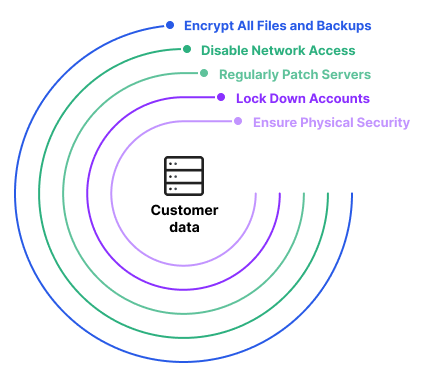
Credit: www.imperva.com
How Does A Database Security Analyst Protect Your Data?
When it comes to your business data, ensuring its protection is crucial. Data breaches are becoming an increasingly common occurrence and can lead to dire consequences for your business such as financial loss, damage to reputation and legal consequences. This is where a Database Security Analyst comes in to play. So, how does a Database Security Analyst protect your data?
Encryption
Encryption is the process of encoding information in a way that only authorized parties can read it. A Database Security Analyst ensures that all sensitive data is encrypted, both in transit and at rest. This prevents hackers from gaining access to your information, as even if they do manage to extract it, they won’t be able to read it without the decryption key.
Access Control
Access control is the practice of restricting access to certain data to authorized individuals only. A Database Security Analyst sets up various levels of access control, ensuring that sensitive data is only accessible to those who need it. This minimizes the risk of data leaks and unauthorized access to your data.
Regular Audits
Regular audits are essential to ensure that your data is always protected. A Database Security Analyst conducts regular audits to identify vulnerabilities in your system and provide recommendations for strengthening security measures. Regular audits are also important for maintaining compliance with industry standards and regulatory requirements.
Database Security Analysts play a vital role in protecting your data from cyber threats. They employ a range of techniques such as encryption, access control and regular audits to ensure your data remains safe and secure. With the increasing prevalence of data breaches, investing in a Database Security Analyst is a smart business decision that can help protect you from financial and reputational damage in the long run.
What Are The Common Threats To Database Security?
As a Database Security Analyst, it’s vital to identify and mitigate common threats to database security. These can include SQL injection, unauthorized access, malware, phishing attacks, and inadequate security protocols.
Sql Injection
Database security analysts play a crucial role in ensuring that sensitive organizational data is protected from confidential information theft attempts. Denial of service (DoS) attacks, phishing, ransomware attacks, SQL injection, and others are some of the most common types of cyber-attacks that hackers use to exploit vulnerable database systems. One of the most severe threats that these professionals have to watch out for is SQL injection. SQL injection is a method of tampering with relational database management systems (RDBMSs) by inserting malicious SQL statements into dynamic queries through their input data. An SQL injection vulnerability enables attackers to bypass database security controls, retrieve organizational information, or modify data. CWE-89 or OWASP Top 10 is a common weakness and one of the most critical vulnerabilities in web applications.Malware
Malware is a harmful program that is designed to damage or disrupt computer systems, servers, computers, or networks. This type of software is excellent for compromising database security by stealing or destroying data, or using the system to spread more malware through the network. Cybercriminals employ malware as a method of gaining control of systems or accessing confidential data stored in databases. Attackers can also use a malware attack to delete or edit critical files as well as install other malicious software that causes further harm. It’s crucial that organizations keep their malware detection and prevention software up to date and that their systems and applications are patched accordingly.Social Engineering Attacks
Social engineering attacks are another common threat to database security. These attacks manipulate employees into deviating from the organization’s security policies or willingly handing over sensitive information. Social engineering attacks examples include pretexting, baiting, phishing, spear-phishing, and whaling. Pretexting is a social engineering attack where the attacker impersonates a trusted authority figure to get information or resources. Baiting utilizes promises of extensively attractive offers to attract and distract the user, persuading them into granting access to company information. Both phishing and spear-phishing send fake emails that appear genuine and encourage users to share confidential information. Whaling is merely a more targeted version of spear-phishing, aimed at senior management members. In short, social engineering attacks try to take advantage of employees who aren’t mindful of possible risk factors, which underscores the necessity of security awareness training for employees. Database security analysts must always be vigilant against these, and other emerging threats to ensure a secure and robust database system.How Can You Ensure Your Data Is Secure?
As a database security analyst, there are various measures you can implement to ensure that your sensitive data is kept secure. You can encrypt the data, implement multi-factor authentication, regularly update security patches, and restrict access to important information. Additionally, you can perform regular backups and audit trails to further enhance the security of your database.
Database security is a critical aspect of any business. As a database security analyst, your role is not only to secure the data but also to ensure that it is protected from potential security breaches. Given the sensitive nature of the data, it is crucial to follow best practices and stay updated on security measures. Here are some ways to ensure your data is secure:Implement Best Practices
Implementing best practices is crucial to ensure the security of the data. The following are some best practices that every database security analyst should follow:- Enforce strong passwords: Require users to create strong passwords with a mix of uppercase and lowercase letters, numbers, and special characters.
- Limit access to data: Grant access to data on a need-to-know basis. Implement role-based access control to restrict unauthorized access.
- Regularly update software: Keep the software and operating system updated with the latest patches and security updates.
- Encrypt the data: Use encryption to protect the data both at rest and in transit.
- Perform regular backups: Regularly back up the data to ensure that it can be restored in case of data loss or corruption.
Stay Updated On Security Measures
Staying up-to-date on security measures is essential to stay ahead of potential security threats. A database security analyst should stay informed about the latest security threats and trends. Some ways to do this include:- Read industry reports: Read industry reports and updates to stay up-to-date on new security threats.
- Attend conferences and training: Attend conferences and training sessions to learn about new security technologies and best practices.
- Conduct regular vulnerability assessments: Conduct regular vulnerability assessments to identify potential vulnerabilities and security risks.
- Monitor activity: Monitor the activity in the database to identify any unusual or suspicious patterns.
What Are The Consequences Of A Data Breach?
The consequences of a data breach can be devastating for businesses. As a Database Security Analyst, it is your responsibility to ensure that the company’s databases are secure and protected from any potential breaches. A data breach can result in financial loss, reputational damage, and legal repercussions.
Being proactive in preventing breaches can save companies from these costly consequences.
As a Database Security Analyst, preventing data breaches is crucial because of the devastating consequences that can result from unauthorized access to sensitive information. A company’s reputation can be tainted, financial losses can occur, and legal implications could ensue. Let’s explore these consequences in more detail.Financial Loss
When a data breach occurs, companies can experience financial losses. The cost of fines, legal fees, notifications, and reparations can be significant. Additionally, the loss of business due to a tarnished reputation can be financially damaging. According to a study conducted by the Ponemon Institute, careless employees and system glitches are the leading causes of data breaches. These incidents can cost companies an average of $3.86 million dollars.Reputation Damage
One of the most critical consequences of a data breach is the damage it can do to a company’s reputation. Customers may avoid doing business with a company who has been hacked, leading to a loss of trust and reduced revenue. Negative media coverage can also harm a company’s reputation beyond repair. In extreme cases, businesses may need to close their doors due to the impact of a data breach. As a Database Security Analyst, it is crucial to be vigilant in maintaining the security of a company’s sensitive data. Being aware of security threats, implementing preventative measures, and establishing protocols in case of a data breach is imperative. By doing so, you can help prevent the consequences of a data breach and protect a company’s reputation and financial wellbeing.
Credit: www.imperva.com

Credit: www.keepersecurity.com
Frequently Asked Questions Of Database Security Analyst
What Is The Job Of A Data Security Analyst?
A data security analyst is responsible for securing company data by developing and implementing security protocols, identifying vulnerabilities and potential threats, and conducting security audits and assessments. They also monitor the network and investigate and respond to security incidents.
How Do I Become A Security Data Analyst?
To become a security data analyst, one must have a strong foundation in data analysis, computer science, and programming. A degree in a relevant field, such as computer science, statistics, or mathematics, is often required. Gaining experience in data analysis and information security is also essential, as well as staying up-to-date on the latest trends and emerging technologies in the field.
Continuing education and industry certifications can also help enhance one’s career prospects as a security data analyst.
What Is The Highest Salary For A Data Security Analyst?
The highest salary for a data security analyst varies based on several factors such as experience, job location, company size, and skillset. However, the average salary for this job is $98,350 per year, with top earners making over $140,000 annually in the United States.
Is Data Security Analyst Hard?
Yes, becoming a data security analyst can be considered as a difficult job as it requires comprehensive knowledge of computer systems and data management. It also requires analytical skills, attention to detail and the ability to stay abreast of constantly evolving technologies and threats.
Dedication and continuous learning can make this role easier for aspirants.
Conclusion
Database security is no longer an option in today’s world of cyber threats. It is a necessity to ensure the safety of sensitive information. As database technology continues to evolve, there is a need for skilled professionals to keep up with the changing landscape.
A career as a database security analyst is not only rewarding but also crucial in protecting businesses and their customers. By staying up-to-date with the latest security strategies and tools, these professionals play a critical role in safeguarding valuable data from potential breaches.